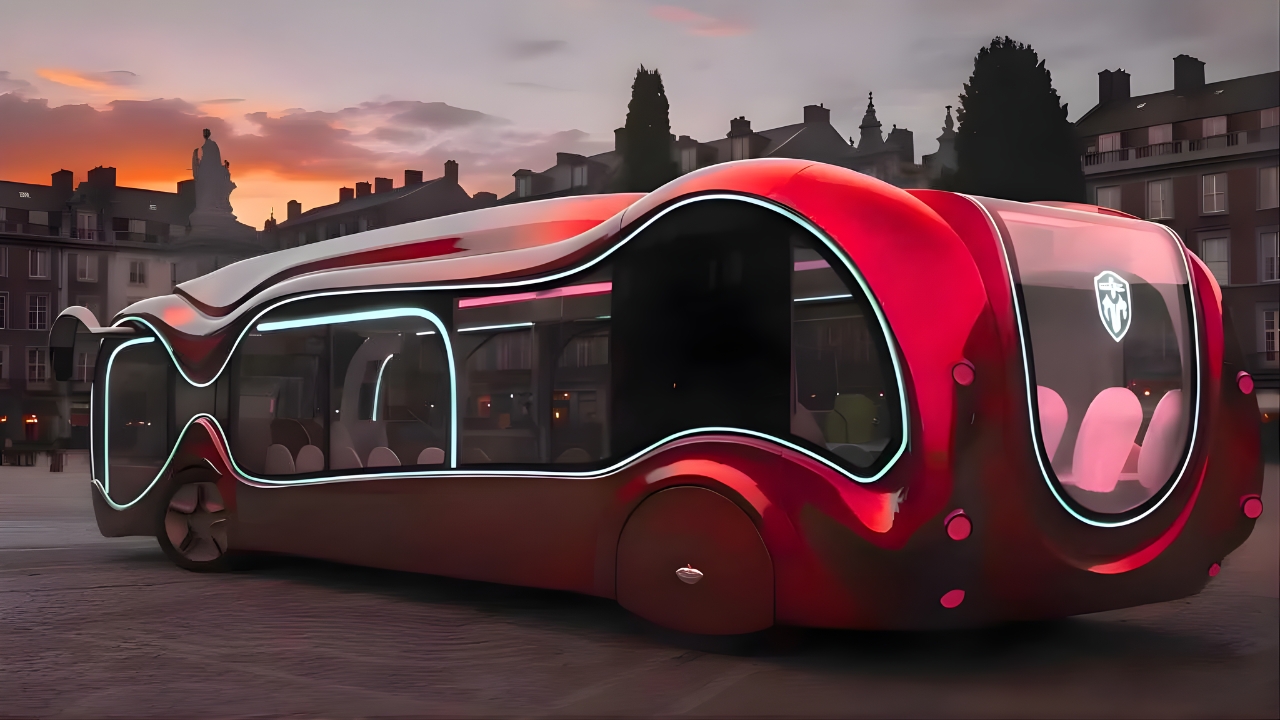
Mercedes-Benz Future Bus Unveiled: Urban transportation is evolving at a remarkable pace, and few innovations capture that momentum better than the Mercedes-Benz Future Bus. Designed as a bold vision for tomorrow’s cities, this intelligent vehicle represents a significant leap toward safer, cleaner, and more efficient public transportation. As cities become more crowded and environmental concerns intensify, the need for smarter mobility solutions is no longer optional—it is essential.
Developed by Mercedes-Benz, the Future Bus is more than just a concept vehicle. It showcases how autonomous driving, connectivity, and passenger-focused design can come together to reshape urban mobility. While the idea of self-driving buses once seemed distant, this innovation demonstrates how close we are to seeing such systems integrated into everyday life.
A Vision for Smarter Cities
Modern cities face increasing traffic congestion, rising emissions, and strained infrastructure. Public transportation systems must adapt to handle growing populations while reducing environmental impact. The Future Bus is built with these challenges in mind.
Rather than simply automating driving functions, the vehicle is designed to become part of a connected ecosystem. It communicates with traffic signals, road infrastructure, and control centers, allowing it to anticipate conditions ahead. This connectivity helps optimize routes, maintain steady speeds, and reduce unnecessary stops.
By integrating intelligent systems, the bus contributes to smoother traffic flow across the city. The result is not just improved public transport efficiency, but also a positive impact on overall urban mobility.
Autonomous Technology at Its Core
At the heart of the Future Bus lies advanced autonomous driving technology. Inspired by systems previously tested in heavy-duty trucks, the bus incorporates cameras, radar sensors, and intelligent software to navigate complex city routes.
The system can detect pedestrians, cyclists, and other vehicles in real time. It also recognizes traffic lights and road markings, enabling it to respond appropriately without human intervention in controlled environments. This level of automation reduces the likelihood of accidents caused by human error, one of the leading factors in road incidents worldwide.
Importantly, autonomy does not eliminate human oversight. Safety operators remain part of the system, ensuring that technology and human judgment work together. This balanced approach builds trust and allows gradual integration into public transit networks.
A Passenger-Centric Interior Experience
While the technology behind the wheel is impressive, the interior of the Future Bus is equally transformative. The design moves away from traditional layouts and focuses on comfort, openness, and accessibility.
Large panoramic windows create a bright and welcoming atmosphere. Seating areas are arranged to encourage social interaction while still providing personal space. Clear digital displays offer route information, estimated arrival times, and connection details, enhancing the passenger experience.
Accessibility is also a priority. Low-floor entry points and wide doorways ensure that passengers with mobility challenges can board and exit with ease. By combining thoughtful design with smart information systems, the bus transforms commuting into a more pleasant and seamless experience.
Environmental Responsibility and Efficiency
Sustainability is central to the Future Bus concept. Urban transportation accounts for a significant portion of city emissions, making eco-friendly solutions critical for long-term growth.
The bus is engineered for efficiency, incorporating lightweight materials and optimized aerodynamics. In addition, advanced powertrain technologies are integrated to reduce fuel consumption and emissions. As electric and hybrid systems continue to develop, vehicles like the Future Bus pave the way for fully sustainable fleets.
By reducing sudden braking and accelerating smoothly through predictive driving systems, the bus minimizes energy waste. Over time, such efficiency can significantly lower operational costs for transit authorities while supporting environmental goals.
Connectivity and Smart Infrastructure Integration
One of the most innovative aspects of the Future Bus is its ability to connect with urban infrastructure. Through vehicle-to-infrastructure communication, it receives data from traffic lights and central traffic management systems.
This connectivity allows the bus to anticipate red lights and adjust speed accordingly. Instead of stopping abruptly, it can slow down gradually, improving passenger comfort and reducing fuel consumption. It also helps maintain consistent travel times, a key factor in reliable public transportation.
In the broader picture, connected buses can share traffic data with city authorities, helping planners identify congestion points and optimize routes. Such collaboration between vehicles and infrastructure represents a major step toward truly smart cities.
Enhancing Safety Standards
Safety remains a top priority in public transportation, and the Future Bus demonstrates how automation can elevate safety standards. Advanced driver assistance systems monitor the surroundings continuously, reacting faster than human reflexes in many scenarios.
Sensors provide 360-degree awareness, detecting potential hazards even in blind spots. Emergency braking systems can activate automatically if a collision risk is identified. Lane guidance technology ensures the bus stays precisely aligned within dedicated lanes.
By combining predictive analytics with real-time monitoring, the vehicle creates multiple layers of protection for passengers, pedestrians, and other road users. This approach reflects a broader industry trend toward zero-accident mobility.
Shaping the Future of Public Transit
The unveiling of the Future Bus signals a shift in how we imagine public transportation. Instead of viewing buses as simple transport tools, this innovation positions them as intelligent mobility platforms.

As autonomous technologies mature and regulations evolve, vehicles like this could become a common sight in major cities. They offer the potential to reduce traffic congestion, cut emissions, and provide safer journeys for millions of commuters.
The impact extends beyond transportation. Efficient, reliable transit systems can reshape urban development patterns, reduce dependency on private vehicles, and enhance overall quality of life. By embracing innovation, cities can create mobility systems that serve both people and the planet.
Disclaimer
This article is intended for informational purposes only. Specifications, features, and deployment timelines of the Mercedes-Benz Future Bus may vary depending on regulatory approvals, technological advancements, and regional market conditions. Readers are encouraged to consult official sources and announcements from Mercedes-Benz for the most accurate and up-to-date information.
The Future Bus stands as a powerful symbol of what is possible when technology, sustainability, and thoughtful design intersect. As urban populations continue to grow, solutions like this will play an increasingly vital role in shaping the cities of tomorrow.
